Tampilkan postingan dengan label Healthy Food. Tampilkan semua postingan
Sabtu, 27 Desember 2014
Pomelo: 10 Reasons to Enjoy this Fabulous Fruit
More sweet than sour, with juicy meat and pulp, pomelos are grandfathers to grapefruits. This gentle giant of the citrus family is native to Malaysia and Southeast Asia, but has been introduced to many tropical countries as well as California, Florida and Hawaii of the United States. Also called pulmetto, shaddock, French chadec, Malayan limau besar, Bali lemon, and Chinese grapefruit – I discovered the fruit when a client shared her tree’s bounty. The delicious pomelo can enhance a healthy diet.
Here are ten reasons why.
1. Taste
Sweet with just a hint of grapefruit-like tang, pomelos are refreshing first thing in the morning or cold from the refrigerator, as a fortifying snack. Its juice can be a tasty addition to sauces, salads, salsas and marinades. The curious mixture of melon-like sweetness with citrus tang makes pomelo juice a welcome addition to many recipes – add a skinless, seedless wedge to flavor your favorite ice tea.
2. Low Calorie and Low Fat
Pomelos have 0% fat and 72 calories per cup/190 grams – a dieter’s delight! Most everyone has heard of the Grapefruit Diet, which become popular in Hollywood in the 1930s, and saw another resurgence in the 1970s. Both grapefruit and pomelo contain a fat burning enzyme, which theoretically increases the dieter’s success. This fad diet, promoted extremely low calorie intake, and eating grapefruit before every meal.
3. Fiber
While due to its low calorie intake, the Grapefruit Diet is unhealthy, the principle behind eating grapefruits is a sound one. Pomelos, like grapefruits have a fiber content of 8% daily value or DV. The Food and Drug Administration describes DV as percentage of the recommended daily intake for nutrients for adults and children ages 4 and up. Eating such low calorie fiber creates a full feeling in your stomach and you eat less. Eating fiber also keeps your bowels healthy and prevents colon cancer.
4. Vitamin C
Citrus fruit burgeon with vitamin C, and the pomelo is no exception. Pomelo provides 193% DV of Vitamin C. Recent studies have shown Vitamin C strengthens your immune system when it weakens due to stress. And although Vitamin C can not cure the common cold, it can prevent you from developing additional cold complications such as lung infections or pneumonia. Persons with a higher concentration of vitamin C in their blood have a 42% lower risk of developing a stroke. Vitamin C has been shown to aid in macular degeneration, inflamation, cancer and cardiovascular deterioration.
5. Heart Health
Pomelos have 410 mg of potassium per serving, which like Vitamin C plays a role in supporting the heart. There is no DV for potassium but 4700 mg per day is considered adequate. This essential mineral regulates blood pressure levels. Abundant with pectin, pomelo juice is capable of clearing the arterial deposits accumulated in the body, thereby reducing the impurities and benefitting people with hypertension. People on blood thinning, kidney and other medications need to use caution when eating potassium rich foods like pomelos, as it can have a negative impact and serous health complications.
6. Cancer Fighter
The Chinese use the pomelo rind in many dishes. The skin of the fruit is very rich in bioflavonoids. This property is helpful in reducing pancreatic, intestinal and breast cancer. In fact, it stops cancerous cells from spreading further. Pomelo rind contains rich bioflavonoids that help in fighting against cancer cells. It prevents the spread of breast cancer cells especially by enabling the body to eliminate excess estrogen.
7. Antioxidents
Most notable, pomelos are loaded with antioxidants that are believed to help slow down the aging process and protect against some diseases – including heart disease and cancer – as they help rid the body of free radicals.
8. Anti-aging
Grapefruits and likely pomelos are the only known fruits containing spermadine, which is also found in human sperm. A laboratory-based study found spermidine to protect cells from processes related to aging and cell damage. In the study spermadine increased the lifespan of flies, blood cells, yeast and worms. Spermadine introduced to the blood cells of white mice protected them from particular types of cell damage, but their lifespans were not reported.
8. Anti-aging
Grapefruits and likely pomelos are the only known fruits containing spermadine, which is also found in human sperm. A laboratory-based study found spermidine to protect cells from processes related to aging and cell damage. In the study spermadine increased the lifespan of flies, blood cells, yeast and worms. Spermadine introduced to the blood cells of white mice protected them from particular types of cell damage, but their lifespans were not reported. (See the link below for more information on this study.)
9. Medicine
When chewed slowly, the pomelo is said to cure hangovers. In Malasia and Filipines, a lotion made from the pomelo plants leaves is used to alleviate sores and swellings. The Filipinos also use it as a sedative for nerves. The Chinese use the entire plant to make medications that cure coughs, car sickness and indigestion. A paste of pomelo rind and ginger can be applied to joints to ease arthritic pain.1
10. Availability and Storage
Pomelos are available at most Asian or Latin American markets throughout the year. Choose firm, heavy fruits. Blemishes on the skin are okay. Soft, dull-skinned pomelos that leave an imprint when squeezed or those that appear dried-out on the stem should be avoided.Pomelos keep for a week in the refrigerator, or for a few days left at room temperature. Freeze their juice in ice cube trays to keep for longer periods and to add a citrus zest to recipes.
Source: yogakat.hubpages.com
Kamis, 16 Oktober 2014
13 Foods That Trigger Acne Breakout
An acne breakout is every teenager’s worst nightmare. The last thing you want before a weekend get-together with your friends is a face full of pimples. Don’t worry, we’re here to help.
A ton of research has been done on what exactly causes acne but the findings are somewhat unclear. The consensus seems to be that there are no common foods that have the same effect on every person. For example, chocolate may cause breakouts in one person but cheese may spark acne in another.
While each person responds differently to certain types of foods, there are specific foods that are known to spark a reaction.
Below is a list of trigger foods for acne. If you’re experiencing breakouts, try eliminating one or two foods at a time (eliminate dairy for one week, greasy foods the next etc) to see if removing these foods helps to keep your skin clear. If you want to make sure you don’t breakout, avoid all of these foods altogether as much as possible.
Here are 13 trigger foods for acne:
1. Chocolate
2. Spicy Foods
3. Cheese
4. Nuts
5. Peanut Butter
6. Sushi
7. Milk
8. Pizza
9. French Fries
10. Potato Chips
11. Fast Food
12. Ice Cream
13. Soda
Source: healthdigezt.com
Health Benefits of Black -Eyed Peas
Black-eyed peas are actually a bean and are part of the vegetable group on the Food Guide Pyramid. They are available dried, frozen and canned and offer several health benefits when included in a well-balanced diet. They make a good addition to soups, stews and salads and are also a healthy side dish.
FIBER
One of the main health benefits of black-eyed peas is their high fiber content. A 1/2 cup of dry black-eyed peas that are cooked have 5.6 g of fiber, while a 1/2 cup of canned black-eyed peas contains 4 g. These amounts will vary among brands of black-eyed peas.
Fiber is a nutrient that helps regulate your digestive system, and increasing your intake could help alleviate constipation and symptoms of irritable bowel syndrome. Fiber also helps keep your cholesterol levels healthy by preventing cholesterol from being absorbed into your bloodstream, which reduces your risk of developing heart disease. Additionally, high-fiber foods keep you feeling full, since they are digested slowly — which is important for weight control.
POTASSIUM
A 1/2 cup of dry and cooked black-eyed peas contains 239 mg of potassium, and the same amount from a can has 206 mg. Potassium is a nutrient that helps keep your blood pressure levels at healthy numbers, which lowers your risk of heart disease. Getting adequate potassium in your diet from black-eyed peas also supports the health of your muscles and bones.
LOW IN FAT AND CALORIES
Black-eyed peas are a low-fat and low-calorie food, making them a healthy addition to a weight-loss meal plan. Canned versions vary in content, but a 1/2 cup of black-eyed peas is generally less than 100 calories and contains about 1 g of fat. A diet that is low in fat and calories helps you lose weight, prevents weight gain and protects you from many health conditions, including heart disease, diabetes and depression.
PROTEIN
Black-eyed peas are a good alternative source of protein if you don’t eat meat. Protein is important because it supports most of the parts of your body, including muscles, skin, hair and nails. In addition, protein helps cells grow and repair and provides energy to your body. A 1/2 cup of dry and cooked black-eyed peas contains 6.7 g of protein, and a 1/2 cup of canned black-eyed peas contains 5.7 g.
IRON
A 1/2 cup of canned black-eyed peas has 1.2 mg of iron, while a 1/2 cup that has been cooked from dry black-eyed peas contains 2.2 mg. Getting adequate iron in your diet prevents anemia, which produces fatigue and weakness. Iron carries oxygen throughout your body to your organs, cells and muscles, and if the supply is low you experience sluggishness.
Source: livestrong.com
Stuffed Delicata Squash for Two
In this Tex-Mex-seasoned stuffed delicata squash recipe, half of the ground beef is swapped out for bulgur to reduce saturated fat without cutting back on the amount of stuffing.
Makes: 2 servings, 1/2 stuffed squash each
Serving Size: 1/2 stuffed squash
Active Time: 40 minutes
Total Time: 40 minutes
INGREDIENTS
1 small delicata squash (about 12 ounces), halved and seeded3 teaspoons extra-virgin olive oil, divided
1/4 teaspoon salt, divided
1/4 cup bulgur
1/2 cup water
1/2 small onion, chopped
4 ounces lean ground beef (90% or leaner)
1 tablespoon chili powder
1/4 cup nonfat or low-fat plain yogurt
2 teaspoons toasted pepitas (see Tip)
PREPARATION
1. Preheat oven to 425°F.2. Brush the cut sides of the squash with 1 teaspoon oil and sprinkle with 1/8 teaspoon salt. Place facedown in a small baking pan. Bake until tender and browned on the edges, 25 to 30 minutes.
3. Meanwhile, bring bulgur and water to a boil in a small saucepan. Reduce heat to a simmer, cover and cook until tender and most of the liquid has been absorbed, 8 to 10 minutes. Drain well.
4. Heat the remaining 2 teaspoons oil in a medium skillet over medium heat. Add onion and cook, stirring, until beginning to brown, 3 to 5 minutes. Add beef, chili powder and the remaining 1/8 teaspoon salt; cook, stirring and breaking up chunks with a spoon, until the meat is cooked through, 3 to 5 minutes. Stir in the bulgur and cook for 1 minute. Remove from heat and stir in yogurt.
5. Spoon about 3/4 cup filling into each squash half. Serve sprinkled with pepitas.
TIPS & NOTES
Tip: To toast small seeds: Heat a small dry skillet over medium-low heat. Add seeds and cook, stirring constantly, until fragrant, 2 to 4 minutes. Transfer to a bowl to cool.NUTRITION
Per serving: 344 calories; 15 g fat (3 g sat, 8 g mono); 44 mg cholesterol; 35 g carbohydrates; 0 g added sugars; 6 g total sugars; 22 g protein; 10 g fiber; 445 mg sodium; 874 mg potassium.Nutrition Bonus: Vitamin A (347% daily value), Vitamin C (39% dv), Zinc (30% dv), Magnesium (28% dv), Potassium (25% dv), Iron (21% dv), Calcium (15% dv)
Carbohydrate Servings: 2
Exchanges: 2 starch, 1/2 vegetable, 2 lean meat, 2 fat
Source: healthdigezt.com
11 Super Health Benefits in Just One Celery Stalk
Apples walk away with most health accolades, and spinach leads the healthy veggie brigade. Compared to them, celery is somewhat unsung, but once you read its incredible–and nearly endless–list of health benefits, you will quickly join its growing list of lovers.
1.)Celery is a great choice if you are watching your weight. One large stalk contains only 10 calories! So, add celery to your shopping list and enjoy it in your salads, soups and stir-fries.
2.)Celery reduces inflammation. If you are suffering from joint pains, lung infections, asthma, or acne, eating more celery will bring much-needed relief.
3.)It helps you calm down: Celery for stress-relief? Oh yes! The minerals in celery, especially magnesium, and the essential oil in it, soothe the nervous system. If you enjoy a celery-based snack in the evening, you will sleep better.
4.)It regulates the body’s alkaline balance, thus protecting you from problems such as acidity.
5.)Celery aids digestion: some say celery tastes like “crunchy water,” and that is the reason it is so good for your digestive system. The high water content of celery, combined with the insoluble fiber in it, makes it a great tool for easy passage of stool. Note: because celery has diuretic and cleansing properties, those with diarrhea should avoid eating it.
6.)It contains “good” salts. Yes, celery does contain sodium, but it is not the same thing as table salt. The salt in celery is organic, natural and essential for your health.
7.)It cares for your eyes. One large stalk of celery can deliver up to 10 percent of your daily need for Vitamin A, a group of nutrients that protects the eyes and prevents age-related degeneration of vision.
8.) Celery reduces “bad” cholesterol: There is a component in celery called butylphthalide. It gives the vegetable its flavor and scent. Guess what: this component also reduces bad cholesterol! A Chicago University research shows that just two stalks of celery a day can reduce bad cholesterol (LDL) by up to
7 points!
9.)It lowers blood pressure: An active compound called phthalides in celery has been proven to boost circulatory health. Raw, whole celery reduces high blood pressure.
10.) It can amp up your sex life: and this is not just hearsay. Dr. Alan R. Hirsch, Director of the Smeel and Taste Treatment and Research Foundation, says two pheromones in celery–androstenone and androstenol–boost your arousal levels. They are released when you chew on a celery stalk.
11.) Celery can combat cancer: Two studies at the University of Illinois show that a powerful flavonoid in celery, called luteolin, inhibits the growth of cancer cells, especially in the pancreas. Another study suggests that the regular intake of celery could significantly delay the formation of breast cancer cells.
Useful Tips:
Choose celery with upright stalks that snap when bent. The leaves should be fresh and crisp. When selecting celery, remember this rule of thumb: The darker the color, the stronger the flavor.
Freshly chopped celery retains its nutrients much better than if you chop and store it even for a few hours.
Steamed celery not only retains its flavor, but also most of its nutrients–up to 99 percent of them, in fact!
Source: care2.com
Rabu, 15 Oktober 2014
10 Foods That Make You Smarter
Eating well plays a big part in enhancing physical performance, but did you know certain food choices can also enhance brain function? If your memory needs a boost, or you’re concentration is letting you down, maybe it’s time to reassess what you’re eating?
1. Complex carbohydrates
These types of carbohydrates provide a slow release of glucose to the brain – the only sugar the brain can absorb. Glucose is required to fuel the brain cells that are responsible for concentration, memory and learning. Good sources of complex carbohydrates include wholegrain breads, oats, brown rice, legumes, fruits and vegetables.2. Antioxidants
Researchers believe that eating foods high in antioxidants may help delay brain aging since they help combat free radical damage. Free radicals are irregular molecular atoms, that occur naturally in the body, or externally from environmental factors such as pollution, cigarette smoke and herbicides, that attack the cells, causing the breakdown of tissues and possibly play a role in casing a number of diseases from cancer to dementia.Researchers believe that antioxidants found in brightly coloured fruits and vegetables like blueberries, carrots and avocado may help keep our brain in firing form by protecting it from oxidative damage. Other foods high in antioxidants include red kidney beans, Granny smith apples, pecans and plums.
3. Egg yolk
Eggs are not only a great source of protein, the yolk also contains the memory-promoting nutrient choline. Choline is a key component of two molecules in the brain: phosphatidylcholine and sphingomyelin. These two molecules account for a high percentage of the brain’s total mass, making choline vitally important for brain function. For maximum health benefits include up to two eggs in your diet, three to four times a week.4. Coffee
Your morning coffee does more than just wake you up – it also boosts your brain power. Research shows coffee improves memory and speeds up reaction times by acting on the brain’s prefrontal cortex, the area responsible for short-term memory. A lifetime of coffee consumption has even been associated with a lower risk of Alzheimer’s disease, a brain disease affecting memory, thought and language. So enjoy your morning cup of joe, knowing its doing your brain good.5. Sage
Sage (Salvia) is documented in herbal encyclopedias as an agent that enhances memory. Recent studies indicate that taking sage oil can enhance improve memory performance. An easy and inexpensive way to consume sage is to make your own tea. Simply pour one cup of boiled water over two teaspoons of fresh or one teaspoon of dried sage leaves. Cover and steep for 10 minutes and strain. Fresh sage leaves should be wrapped in a moist paper towel or bag, placed in a loose plastic bag, and stored in your refrigerator.6. Water
Your brain is made up of approximately 75 per cent water, therefore staying hydrated is absolutely vital for optimum brain performance. Health professionals believe the number one cause of memory loss, at any age, is dehydration and the simple act of drinking a large glass of water can dramatically improve brain function. Tip: start the day hydrated and get into the habit of drinking a glass of water first thing upon waking then again as soon as you get to work.7. Oily fish
Fish contains high levels of the fatty acids EPA (eicosapentaenoic acid) and DHA (docosahexaenoic acid). EPA acts like an antiinflammatory in the body, and also helps to prevent blood clotting, which can trigger a heart attack or stroke. DHA is concentrated in large amounts in the brain and is now considered a vital nutrient to enhance learning ability and mental development. Fish that contain the highest levels of fatty acids include tuna, mackerel, salmon, trout and sardines.8. Kelp
Kelp is a sea vegetable (seaweed) high in magnesium, calcium and iodine. Iodine is necessary for normal growth and development of the brain and body. Because the body does not make iodine, it must be obtained from the diet. Kelp is the most abundant, iodine-rich sea vegetable. Other rich sources of iodine include seafood, dairy products, plants grown in iodine-rich soil and iodized table salt. Severe iodine deficiency has long been known to cause mental impairment, stunted growth and learning problems in children.9. Cacao
Cacao is chocolate in its purest form, free from sugar, dairy and other processed ingredients. It’s considered a superfood since it contains huge amounts of antioxidants, as well as a compound called epicatechin. Scientists are now discovering the combination of exercise and a diet high in epicatechin promotes functional changes in a part of the brain that supports learning and memory. What does this mean for the rest of us? We can keep our mind sharp with a cup of hot cacao (hold the marshmallows) as a guilt-free treat, or add a scoop of cacao powder to your breakfast smoothie.10. Walnuts
Interestingly a shelled walnut looks remarkably like a miniature brain; it’s like nature’s way of reminding us to eat these little wonders for brain nourishment. Walnuts are packed with essential fatty acids, critical for brain and nervous system performance. The brain is a very fatty organ and requires adequate amounts of these fatty acids for optimum function and cognition. Add walnuts to your morning porridge or enjoy a handful as a snack.Source: healthdigezt.com
Sabtu, 11 Oktober 2014
8 Amazing Health Benefits of Cauliflower
Cauliflower is a member of the cruciferous family of vegetables, often overshadowed by its green cousin broccoli. This is one vegetable that deserves a regular rotation in your diet, however, as it contains an impressive array of nutrients, including vitamins, minerals, antioxidants, and other phytochemicals.
Adding to cauliflower’s appeal is its extreme versatility. You can eat it raw, add it to salads, or use it in your cooking. Cauliflower can even be seasoned and mashed for a healthier version of “mashed potatoes.”
8 Top Health Benefits of Cauliflower
Because of its beneficial effects on numerous aspects of health, cauliflower can easily be described as a superfood. Ten of its most impressive benefits follow:
1. Fight Cancer
Cauliflower contains sulforaphane, a sulfur compound that has also been shown to kill cancer stem cells, thereby slowing tumor growth. Some researchers believe eliminating cancer stem cells may be key to controlling cancer.
For instance, research has shown that combining cauliflower with curcumin (the active compound in the spice turmeric) may help prevent and treat prostate cancer.1
A study published in Carcinogenesis also found sulforaphane may reduce the incidence and rate of chemically induced mammary tumors in animals.2 It also inhibits the growth of cultured human breast cancer cells, leading to cell death.
Other compounds in cauliflower also show anti-cancer effects. According to the National Cancer Institute:3
“Indoles and isothiocyanates have been found to inhibit the development of cancer in several organs in rats and mice, including the bladder, breast, colon, liver, lung, and stomach.”
2. Boost Heart Health
Sulforaphane in cauliflower and other cruciferous vegetables has been found to significantly improve blood pressure and kidney function.4 Scientists believe sulforaphane’s benefits are related to improved DNA methylation, which is crucial for normal cellular function and proper gene expression, especially in the easily damaged inner lining of the arteries known as the endothelium.
3. It’s Anti-Inflammatory
You need some level of inflammation in your body to stay healthy. However, it’s also possible, and increasingly common, for the inflammatory response to get out of hand.
If your immune system mistakenly triggers an inflammatory response when no threat is present, it can lead to significant inflammation-related damage to the body, a condition linked to cancer and other diseases, depending on which organs the inflammation is impacting.
Cauliflower contains a wealth of anti-inflammatory nutrients to help keep inflammation in check, including indole-3-carbinol or I3C, an anti-inflammatory compound that may operate at the genetic level to help prevent the inflammatory responses at its foundational level.5
4. It’s Rich in Vitamins and Minerals
Most Americans are seriously lacking in nutrients their body needs to function. Eating cauliflower regularly is a simple way to get these much-needed nutrients into your body. For instance, one serving of cauliflower contains 77 percent of the recommended daily value of vitamin C. It’s also a good source of vitamin K, protein, thiamin, riboflavin, niacin, magnesium, phosphorus, fiber, vitamin B6, folate, pantothenic acid, potassium, and manganese.
5. Boost Your Brain Health
Cauliflower is a good source of choline, a B vitamin known for its role in brain development. Choline intake during pregnancy “super-charged” the brain activity of animals in utero, indicating that it may boost cognitive function, and improve learning and memory. It may even diminish age-related memory decline and your brain’s vulnerability to toxins during childhood, as well as conferring protection later in life.6
6. Detoxification Support
Cauliflower helps your body’s ability to detoxify in multiple ways. It contains antioxidants that support Phase 1 detoxification along with sulfur-containing nutrients important for Phase 2 detox activities. The glucosinolates in cauliflower also activate detoxification enzymes.7
7. Digestive Benefits
Cauliflower is an important source of dietary fiber for digestive health. But that’s not all. According to the World’s Healthiest Foods:8
“Researchers have determined that the sulforaphane made from a glucosinolate in cauliflower (glucoraphanin) can help protect the lining of your stomach. Sulforaphane provides you with this health benefit by preventing bacterial overgrowth of Helicobacter pylori in your stomach or too much clinging by this bacterium to your stomach wall.”
8. Antioxidants and Phytonutrients Galore
Eating cauliflower is like winning the antioxidant and phytonutrient lottery. It’s packed with vitamin C, beta-carotene, kaempferol, quercetin, rutin, cinnamic acid, and much more. Antioxidants are nature’s way of providing your cells with adequate defense against attack by reactive oxygen species (ROS).
As long as you have these important micronutrients, your body will be able to resist aging caused by your everyday exposure to pollutants, chronic stress, and more. If you don’t have an adequate supply of antioxidants to help squelch free radicals, then you can be at risk of oxidative stress, which leads to accelerated tissue and organ damage.
Source: mercola.com
12 Tasty Substitutions You Can Try When Cutting Carbs
“The best way to cut carbs from your diet is to make creative substitutions,” says Arthur Agatston, M.D., author of The South Beach Diet. “That way you can still eat the foods you love, without busting your diet.”
Dr. Agatston told us how to make cauliflower taste like mashed potatoes.
Other nutrition experts gave us tricks for cutting white flour, pasta, and potatoes and replacing them with lower-carb alternatives that taste nearly identical. We then had some loyal carbo-cravers taste-test these dishes. Turns out some of them are so good, you’ll wonder why you weren’t eating them in the first place.
1. HASH BROWNS
Substitute: Squash for potatoesSummer squash (the football-shaped yellow kind) tastes similar to potatoes when cooked—but has just a fraction of the carbs. Grate the squash, mix in an egg as binder, make patties, and fry them in olive oil, says Mary Dan Eades, M.D., coauthor of The Low-Carb Comfort Food Cookbook.
Carbs Eliminated: About 15 grams (g) per hash-brown patty
The Taste: “Not as firm and crispy as regular hash browns, but the potato flavor is there.”
2. MASH POTATOES
Substitute: Cauliflower for potatoesOne of Dr. Agatston’s favorites: Steam some fresh or frozen cauliflower in the microwave. Then spray the cauliflower with butter substitute, add a little nonfat half-and-half substitute, and puree in a food processor or blender.
“Salt and pepper to taste and you’ve got something that quite honestly can compete with the real thing any day,” says Dr. Agatston. To make it even better, try adding roasted garlic, cheese, or sour cream to the mixture.
Carbs Eliminated: 30 g per cup
The Taste: “After a couple of bites, you forget it’s not potatoes.”
3. LASAGNA
Substitute: Zucchini slices for noodlesSlice four to five medium-size zukes lengthwise into three-quarter-inch-thick strips, instructs Lise Battaglia, a New Jersey chef whose past clients include Jon Bon Jovi. Sprinkle Italian seasoning on the strips, place them in a single layer on a nonstick cookie sheet, and bake at 425 degrees F for 20 minutes. You want them firm, not crisp. “Then simply make the lasagna as you normally would, replacing lasagna noodles with the baked zucchini,” she says.
Carbs Eliminated: 36 g per serving
The Taste: “Delicious. The zucchini provides texture that you don’t get from noodles alone.”
4. SPAGHETTI
Substitute: Spaghetti squash for spaghettiA cooked spaghetti squash is like Mother Nature’s automatic spaghetti maker—the flesh becomes noodlelike strands. “All you have to do is cut the squash in half and remove the seeds. Then place each half—cut side down—on a plate with a quarter cup of water,” says Elizabeth Perreault, a chef at Colorado’s Culinary School of the Rockies.
Nuke the squash for 10 minutes or until it’s soft to the touch. Let it cool, then scrape out the “spaghetti” strands and top with pasta sauce and cheese.
Carbs Eliminated: 30 g per cup
The Taste: “Great. Spaghetti squash has exactly the same consistency as real pasta.”
5. PANCAKES
Substitute: Oatmeal and cottage cheese for pancake mixHere’s a can’t-fail recipe from The South Beach Diet. Mix together half a cup of old-fashioned oatmeal, a quarter cup of low-fat cottage cheese, two eggs, and a dash each of vanilla extract, cinnamon, and nutmeg. Process in a blender until smooth. Cook the mixture like a regular pancake.
Carbs Eliminated: 45 g per pancake
The Taste: “With syrup, you could never tell the difference.”
6. SCALLOPED POTATOES
Substitute: Tempeh for potatoesYou may think you don’t like soy-based foods, but that could be because you don’t cook them right, says Beckette Williams, R.D., a San Diego-based personal chef. “Tempeh can be really bland, but if you jazz it up with herbs and spices, it’s a great substitute for potatoes.”
Her recommendation: Saute a couple of cups of thinly diced tempeh with garlic and onions. Then pour a cheese sauce (sharper is better) over the tempeh cubes and bake for half an hour.
Carbs Eliminated: 11 g per cup
The Taste: “Just like a slightly nutty baked potato.”
7. MACARONI AND CHEESE
Substitute: Diced vegetables for macaroniEven instant mac and cheese can go lower-carb; use only half the pasta in the box and bulk it up with a couple of cups of frozen mixed vegetables, says Sandra Woodruff, R.D., coauthor of The Good Carb Cookbook.
Carbs Eliminated: 13 g per cup
The Taste: “I hate broccoli, but I wouldn’t mind eating this.”
8. PASTA SALAD
Substitute: Mixed vegetables or black beans for half the pastaSame idea as the mac and cheese, but try black beans, diced tomatoes, and chunks of ham, tuna, chicken, or hard-boiled eggs, suggests Richard Ruben, an instructor at the Institute of Culinary Education in New York City.
“These kinds of salads are a blank slate, so you can top them with anything from a creamy blue-cheese dressing to vinaigrette, or even lime juice and slices of avocado,” Ruben says.
Carbs Eliminated: 10 g per cup
The Taste: “Awesome. I don’t miss the extra pasta at all.”
9. CHEESE-FLAVORED CHIPS
Substitute: Low-fat string cheese for chipsJust crazy enough to work: Cut sticks of string cheese into quarter-inch-thick slices and scatter the rounds on a cookie sheet coated with nonstick spray, leaving them an inch or two apart. Bake at 375 F for 4 to 5 minutes or until the cheese melts and turns golden brown. Let them cool, then peel the chips off the tray.
Carbs Eliminated: Up to 90 g per serving
The Taste: “Like the cheese you pull off the top of a pizza.”
10. PIZZA
Substitute: Portobello mushrooms for pizza crustCut the gills out of the inside of the mushroom, says Ruben, “then place the mushroom on an oiled cookie sheet and bake for 5 to 10 minutes so it dries out slightly.” Add tomato sauce, mozzarella, and pepperoni or other toppings and broil until the cheese begins to melt.
Carbs Eliminated: About 20 g per slice
The Taste: “Like pizza, but moister. Give me a fork!”
11. BEEF-A-RONI
Substitute: Eggplant for pastaMixing diced eggplant with ground beef is healthier and more highbrow than this old skillet special—call it moussaka American style. You have to soften the eggplant first, says Williams. Cut it in half, brush it with olive oil, and then broil for 10 to 20 minutes. “Let it cool, dice it up, and mix with hamburger, tomato sauce, and spices,” she says.
Carbs Eliminated: 26 g per cup
The Taste: “Exactly like Hamburger Helper, in a good way.”
12. SANDWICHES
Substitute: Napa or Chinese cabbage for breadSlap your turkey and Swiss onto a leaf of cabbage and roll it up. “I’ve made some great-tasting BLTs using cabbage instead of bread,” Battaglia says. Dip the roll in low-fat mayonnaise or mustard.
Carbs Eliminated: 29 g per sandwich
The Taste: “Better than eating plain cold cuts.”
Source: healthdigezt.com
8 Healthy Cooking Oils You Should Be Using
Remember, cooking any oil past its smoke point causes oxidation, which can create inflammation and start disease processes in the body.
1. Flax
Health benefits: Rich in omega-3s, which reduce inflammation and help prevent arthritis and heart disease; eases constipation.Best uses: Not for cooking; add to smoothies; dipping; drizzling over entrées; use in salad dressings.
2. Coconut
Health benefits: Contains lauric and capric acids, which have anti-viral and anti-microbial properties; supports immune function.Best uses: Medium-heat sautéing (smoke point: 280° F); alternative to butter, margarine and shortening in medium-heat baking.
3. Olive
Health benefits: Boasts the highest percentage of heart-healthy fat of any oil; antioxidants provide anticancer benefits.Best uses: Low-heat sautéing (smoke point: 390° F); dipping; drizzling over entrées; use in salad dressings and sauce recipes.
4. Hemp
Health benefits: Contains a balanced ratio of omega-3 and -6 fatty acids, plus gamma-linolenic acid (GLA) and stearidonic acid (SDA), which may help alleviate skin ailments.Best uses: Low- to medium-heat sautéing (smoke point: 330° F); dipping; drizzling over entrées; use in marinades and salad dressings.
5. Walnut
Health benefits: May lower risk of heart disease; rich in antioxidants; contains melatonin (which regulates your internal clock).Best uses: Medium-heat sautéing (smoke point: 350° F); baking; dipping; drizzling over entrées; use in salad dressings; stir-frying
6. Canola
Health benefits: Rich in essential omega-3 alphalinolenic acid (ALA) and omega- 6 linoleic acid, which helps prevent heart disease.Best uses: Medium-heat baking and sautéing (smoke point: 375° F); grilling; use in salad dressings; stir-frying.
7. Grapeseed
Health benefits: Excellent source of antioxidant vitamin E and omega-6 linoleic acid.Best uses: Medium-heat frying (smoke point: 485° F) and sautéing; use in salad dressings.
8. Avocado
Health benefits: Monounsaturated fat helps reduce your risk of heart disease, cancer and diabetes; lowers LDL cholesterol and raises HDL cholesterol.Best uses: High-heat sautéing (smoke point: 550° F); dipping; frying; grilling; searing.
Source: healthdigezt.com
Rabu, 08 Oktober 2014
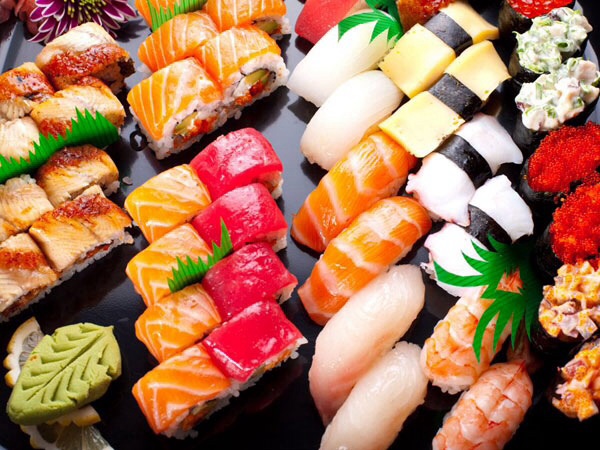
Sushi: health benefits and risks
“Irashaimase!” (ee-ra-shy-ma-seh) is the greeting of welcome you’ll hear upon entering most sushi restaurants. Irashaimase, indeed, to the world of modern Western sushi, a world in which you can find sushi restaurants in malls and airports and snatch grab-and-go bento boxes from the local supermarket.
As people try to eat more nutritiously and add fish rich in omega-3 to their diets, sushi continues to grow in popularity. The compact little rolls certainly look nutritious – rice, fish, veggies – but how healthy is it to eat sushi?
Sushi for beginners
The Japanese have eaten sushi for centuries, but the sushi we know today originated as a fast-food option in Edo, Japan, in the mid-19th century. People could eat it with their hands or carry it with them as they went to the theatre. Visit a sushi cart or restaurant today, and you’ll see two main kinds of rolls – nigiri and maki.
Nigiri consists of a mound of vinegared rice topped with a dab of hot horseradish wasabi and a slab of fish, crab, egg, or other topping. A small, thin bamboo mat is used to roll maki, a cylinder of rice wrapped in nori seaweed with a morsel of fish or other filling in the middle.
The health benefits of sushi
Sushi comes in such a staggering variety that many menus offer a pictorial glossary to help you order. Because of this diversity, the nutritional value of one roll to the next can vary. In general, fish provides a lean source of low-calorie, high quality protein.
It’s also low in saturated fats and cholesterol, making it a heart-healthy food choice. Salmon is especially high in omega-3 fatty acids, which are linked to improved cholesterol levels, lowered blood pressure, and decreased risk of abnormal heart rhythms. Mackerel, lake trout, herring, and tuna also have omega oomph.
The thin sheets of seaweed, or nori, which are flattened, cut, and wrapped around maki and hand rolls, contain mighty minerals. Iodine, essential for proper hormone function, is abundant in this dried sea vegetable. You’ll also get the benefit of magnesium, calcium, iron, and antioxidant phytonutrients and folic acid from eating rolls wrapped in nori.
The health risks of sushi
Consider these risks as you peruse that multi-coloured sushi menu:
Covert calories: Since sushi ingredients get rolled up into such tiny packages, it’s easy to think you’re eating a tiny amount of calories and fat. One plain tuna roll can have less than 200 calories, but add in embellishments like mayonnaise, fried tempura bits, or cream cheese, and you’ve got yourself one concentrated bundle of fat and calories. Eat one crunchy shrimp tempura roll, for instance, and you’re gobbling over 500 calories and 20 g of fat! Both soy sauce and wasabi are low-calorie condiments, but soy sauce can send sodium levels soaring.
Foodborne illnesses: Eating uncooked fish can expose you to bacteria, viruses, and parasites. Roundworm, for example, is a threadlike parasite that can burrow into the stomach and cause painful symptoms that mimic appendicitis. Some kinds of sushi rolls include uncooked fish, but safe and reputable chefs use only fish that has been frozen. The deep freeze will kill off parasites, rendering the fish safer to consume. However, deep freezing will not kill bacteria – it will only stop or slow down its growth until the temperature warms up again. Eating raw fish inherently comes with an increased risk of foodborne illness compared to eating cooked fish.
Mercury levels: The open waters of rivers, lakes, and the sea expose fish to mercury, a known neurotoxin. When we, in turn, eat those fish, some of the mercury transfers to our bodies. Large, predatory fish tend to have the highest mercury levels. This includes the fresh and frozen tuna commonly found in sushi, as well as swordfish, marlin, and shark. Young children, pregnant women, and women planning to get pregnant are advised to minimize their consumption of these fish. Overall, Health Canada advises that the health benefits of fish outweigh the risks of mercury exposure.
Tips for safely savouring sushi
Leave it to the pros. Sushi chefs, or itamae (ita-meh-ee), are highly trained to handle uncooked fish. If you’re not an itamae, and you decide to make your own sushi, you could run the risk of parasitic or bacterial contamination. Most home freezers can’t reach the low temperature necessary to properly freeze raw fish. Still feeling the urge to make your own rolls? Opt for veggie sushi or use fully cooked fish or crabmeat.
Make it a treat. Think of sushi as an occasional indulgence, rather than a staple meal in your diet. Remember that fried items like tempura or creamy condiments like mayonnaise can have you drowning in calories and fat. Keep these to a minimum.
Take it easy with the tuna. Sure, you love those maguro and toro rolls. But to minimize your risks of mercury exposure, remember: there are other fish in the sea! Eat fish lower on the food chain – the smaller the fish, the less mercury it will have accumulated. Also, wild salmon has less mercury than tuna, as do shrimp, pollock, and catfish.
Veg out. You know, tofu is a potentially good source of omega-3, too. Balance out your sushi feast and fill up on rolls made with yummy, nutritious vegetables – shiitake mushrooms, avocado, and cucumber are standard menu items at most sushi restaurants.
Source: Health.com
Healthy Sea Vegetables
Minerals are essential for optimum health. Due to the Standard American Diet, many of us are lacking in these vital nutrients. Eating too many processed foods or foods grown in mineral-depleted soils can result in a lack of minerals in the body which can lead to an onslaught of health problems as well as food cravings.
Minerals help to regulate a variety of processes in the body including helping to create enzymes, hormones, skeletal bones, skeletal tissues, teeth and fluids. Calcium, phosphorus, iron, zinc, sodium, potassium, magnesium, fluoride, sulfur, copper, and chloride are examples of some of the most prevalent minerals you may be lacking.
Whenever possible, it is always best to get your vitamins and minerals from actual food. As one of the most nutritious foods on this planet, sea vegetables contain all of the minerals needed for optimum health. Sea vegetables offer your body 10-20 times the minerals of land plants, plus the added benefit of a range of vitamins. By adding sea vegetables to your diet, you can help your body meet its nutritional needs naturally.
In traditional Chinese healing, sea vegetables correspond to the winter season and to the kidneys, adrenal glands, bladder and reproductive organs. The strengthening, balancing and cleansing properties of sea vegetables are known to help these organs. There is a great deal of documentation on the health benefits and medicinal properties of sea veggies.
They are known to reduce blood cholesterol, remove metallic and radioactive elements from the body, contain antibiotic properties, counteract obesity, strengthen bones, teeth, hair and nails, aid nerve transmission, improve digestion, soften hard masses, tumors and fibroid tumors, and are credited with anti-aging properties.
How can you get more sea vegetables into your diet?
Sea veggies are highly versatile foods, which can be easily incorporated into many dishes such as soups, salads, stir-fries and desserts. Top-quality sea vegetables are grown wild and harvested from clean coastal areas. A second option is to use the high-quality brands found in health food stores. You can also find commercially harvested seaweeds in Asian markets. Here are some examples.1. Arame:
soak 5 minutes, simmer 5-10 minutes. With its sweet, mild taste, it is delicious sauteed alone or with land vegetables. Also good added cold to salad, rice, or freshly chopped veggies with a vinaigrette dressing.2. Dulse:
Does not require cooking. Try using dulse flakes as a condiment. Easily sprinkled on top of soups, salads and veggies. It’s especially great on potatoes and corn dishes. Slightly salty and smoky in flavor, it is a nutritious alternative to salt for those on low or no salt diets.3. Hijiki:
Rinse, then soak 20 minutes, rinse again; or can be simmered for 30 minutes to 1 hour; expands over 4 times when soaked. One of the most mineral rich of all sea vegetables, high calcium and protein, it tastes great flavored with toasted sesame oil, cider vinegar and tamari. Add to noodle dishes or stir-fry with tofu, carrots and onions.4. Kelp:
Use as a salt substitute or condiment in powder form. High in calcium and iodine, it acts as a natural tenderizer when added to beans and stews.5. Kombu:
Best used in slow-cooking soups, beans and stews, to both flavor and tenderize. Add a whole piece about 2 to 4 inches long, remove once tender, chop up and place back in the dish. Can become bitter if rapidly boiled for any length of time.6. Wakame:
Soak 5 minutes before using, then rinse; or add directly to soups without soaking. This is the seaweed most often added to miso soup. With its sweet flavor, it also makes a great cold salad.Source: healthdigezt.com
7 Surprising Health Benefits of Eggs
The popular morning snacks, eggs, are loaded with an array of nutritional benefits that makes it a first choice of everybody to have in breakfast. From scrambled to poached to boiled or simply to an omelette, eggs are consumed and found irresistible all over the globe. The article below explains about some of the amazing health benefits that we can enjoy by consuming eggs.
1. Essential for Brain Health
Eggs are a rich source of choline, which acts as neurotransmitters to improve the cognitive health and this way, eggs are helpful in maintaining the brain health. Moreover, even the egg yolk is rich in folate, which maintains the nerve cells, thereby inducing brain to function properly. The vitamin B12, found in eggs, shields the brain by producing myelin sheath, which protect it from neural tube defects.
2. Makes the Bones Strong
Eggs are an excellent source of vitamin D, which is essential for the assimilation of calcium in the body. Furthermore, the presence of calcium and phosphorous put off osteoporosis and are beneficial in augmenting the bone solidity.
3. Maintains Body Weight
Protein-rich eggs must be taken by those, who want to gain muscle weight. It has been found that consumption of eggs helps in avoiding overeating, thus maintaining a healthy body weight.
4. Improves Nails and Hair Health
Eggs have been found to include sulphur-rich amino acids, which not only improve the quality of nails, but also make your hair beautiful and strong. Other minerals, like selenium, iron, and zinc are equal contributors in maintaining hair and nail health.
5. Good for Eyesight
Lutein and zeaxanthin are two carotenoids, which essentially works towards keeping the eye vision healthy. These compounds safeguards eyes from cataract, macular degeneration, and ultra violet rays.
6. Reduces the Risk of Breast Cancer
According to several studies, consumption of six eggs a week reduces the danger of breast cancer to a great extent. Almost by 44%!!!
7. Easy to Digest
Eggs are easy to digest, when eaten poached and boiled, and hence, improve the immunity of the body.
Source: healthremedy.com
Selasa, 07 Oktober 2014
Tips for Using Herbs and Spices to ”Enhance” Your Food
Wake up your taste buds! Cooking with herbs and spices will enhance the flavor of healthy foods without adding fat, salt, sugar, or calories. Herbs and spices contribute bright color, savory taste and sensational aroma.
Tips for using herbs and spices:
- Avoid overwhelming a dish with too many seasonings, and never use two very strong herbs together. Instead, season with one strong flavor, and one milder flavor to complement the food.
- When cooking, add dried herbs early in the process, but use fresh herbs at the end for optimum flavor.
- Add herbs and spices to cold dishes several hours before serving to allow the flavors to blend.
- Fresh leaves should be chopped very finely. Exposing a greater number of surface cuts will allow the food to absorb more of the herb’s flavor.
- When necessary, a mortar and pestle can be kept in the kitchen to powder dry herbs.
- If doubling a recipe, you may not need to double the herbs. Use just 50% more.
- Dry herbs and spices carry more flavor than fresh. Use this guide when following a recipe: ¼ teaspoon powder = ¾ teaspoon dried = 2 teaspoons fresh
How to store herbs and spices:
- Proper storage is essential to retaining the flavor of herbs and spices.
- Dried herbs and spices should be kept in a cool, dry, and dark place. Storing right next to the stove, although convenient for cooking, is not the best location, because heat, air, and bright light destroy flavor.
- Store dry herbs and spices in tightly covered containers.
- Date dry herbs and spices when you buy them. Try to use them within one year.
If you can’t smell the aroma of an herb when you rub it between your fingers, then it is time for a new supply. - Treat fresh herbs like a bouquet of flowers: Snip the stems, stand the herbs in a glass of water, and refrigerate.
- To increase shelf life, freeze or dry fresh herbs. To freeze fresh herbs, wash and pat dry. Remove the leaves from the stems and store the leaves in a freezer bag. They can also be chopped and frozen in ice cube trays and then stored in a freezer bag.
| Herb or Spice | Use to Enhance |
|---|---|
| Basil | Italian foods (especially tomatoes, pasta, chicken, fish and shellfish) |
| Bay leaf | Bean or meat stews and soups |
| Caraway | Cooked vegetables such as beets, cabbage, carrots, potatoes, turnips and winter squash |
| Chervil | French cuisine, fish, shellfish, chicken, peas, green beans, tomatoes and salad greens |
| Chili powder | Bean or meat stews and soups |
| Chives | Sauces, soups, baked potatoes, salads, omelets, pasta, seafood and meat |
| Cilantro | Mexican, Latin American and Asian cuisine; Rice, beans, fish, shellfish, poultry, vegetables, salsas and salads |
| Cumin | Curried vegetables, poultry, fish and beans |
| Curry | Indian or southeast Asian cuisine; Lamb or meat-based dishes and soups |
| Dill (fresh) | Seafood, chicken, yogurt, cucumbers, green beans, tomatoes, potatoes and beets |
| Dill (seeds) | Rice and fish dishes |
| Ginger (dried) | Rick, chicken and marinades |
| Mace | Baked goods, fruit dishes, carrots, broccoli, brussels sprouts and cauliflower |
| Marjoram | Tomato-based dishes, fish, meat, poultry, eggs and vegetables |
| Oregano | Italian and Greek cuisine; Meat and poultry dishes |
| Paprika | Spanish dishes, potatoes, soups, stews, baked fish and salad dressings |
| Rosemary | Mushrooms, roasted potatoes, stuffing, ripe melon, poultry and meats (especially grilled) |
| Sage | Poultry stuffing, chicken, duck, pork, eggplant, and bean stews and soups |
| Tarragon | Chicken, veal, fish, shellfish, eggs, salad dressings, tomatoes, mushrooms and carrots |
| Thyme | Fish, shellfish, poultry, tomatoes, beans, eggplant, mushrooms, potatoes, and summer squash |
| Tumeric | Indian cuisine; Adds color and taste to potatoes and light-colored vegetables |
Source: healthdigezt.com
Breakfast that are High in Protein
Your morning meal may not contain enough protein.
According to interesting research published in the International Journal of Obesity, participants who ate a protein-packed breakfast ate 26 percent fewer calories at lunch than those who ate a calorically identical meal with less protein.
The nutrient helps your gut release peptide YY, a hormone that nudges your brain to realize, “Hey, I’m full.” The Recommended Daily Allowance (RDA) of protein for women over age 19 is 46 grams; for men, it’s 56 grams. Here are easy and delicious high-protein breakfast ideas.
1. Basic breakfast: Bowl of cereal with milk
High-protein idea: Some cereals are loaded with protein, and some have very little. Some good options: Kashi GoLean Original, which has 13 grams of protein and 10 grams of fiber per serving; Bear Naked Fit Almond Crisp, which has 7 grams of protein and 7 grams of fiber; and Barbara’s Bakery High Fiber Original, which has 5 grams of protein and 10 grams of fiber per serving.See a list on FitSugar.com of healthy options that contain at least 5 grams of protein and 5 grams of fiber per serving. For even more of a boost, sprinkle an ounce of dry-roasted sunflower seeds for 5 more grams of protein as well as the anti-aging vitamin E.
2. Basic breakfast: Egg and cheese on a roll
High-protein idea: Choose a breakfast burrito with beans, or try this easy recipe from HuffingtonPost.com for 25 grams of protein in your morning meal from the eggs and beans. Fill a corn tortilla with two scrambled eggs, 1/4 cup diced sautéed onions, and 1/4 cup of black beans. Then top with a tablespoon of pico de gallo (or more to taste).3. Basic breakfast: Butter or jelly on toast
High-protein idea: Swap butter for 2 tablespoons of peanut butter or almond butter, which adds about 8 grams of protein to your meal. Since processed nut butters can be sneaky sources of sugar and other unhealthy ingredients, look for a super-short ingredient list (like the nut, and maybe some salt, according to SELF.com).4. Basic breakfast: Yogurt
High-protein idea: Trade a 6 ounce nonfat yogurt for a Greek yogurt version to get in about 6 more grams of protein per serving (for a total of 14 grams). Make your breakfast even healthier by adding fiber-rich berries to naturally sweeten your meal, and sprinkle on seeds, nuts, or high-protein, high-fiber cereal to increase the amount of protein even more.5. Basic breakfast: Oatmeal made with water
High-protein idea: Swap water for skim milk (8 grams of protein per cup) and sprinkle on some chopped nuts to help you feel full until lunch. Try this apple walnut oatmeal from USNews.com: Cook 3/4 cups of dry oatmeal with 1 1/4 cup of skim milk. Add 1 chopped apple and 1/4 cup of chopped walnuts. Sprinkle with cinnamon and drizzle with honey. Total: 246. Basic breakfast: Smoothie with milk or yogurt
High-protein idea: Swap the milk and yogurt in your smoothie for kefir, a cultured probiotic beverage (like drinkable yogurt). One cup of plain nonfat kefir contains 11 grams of protein, more than the 9 grams in one cup of nonfat plain yogurt and the 8 grams in one cup of nonfat milk.7. Basic breakfast: Homemade muffin
High-protein idea: Try baking these High-Protein Banana Oat Muffins from MensFitness.com, which contain 8 grams of protein per muffin. (Did we mention they are also less than 100 calories and have only one gram of fat?) It’s a much healthier alternative to bakery muffins, which can have anywhere from 300 to 500 calories per serving and are usually high in fat, sugar, and sodium.To further amp up the protein of your homemade goods, spread a split muffin with a tablespoon of peanut butter (for 4 more grams of protein) and enjoy it with a cup of fat-free milk (for 8 additional grams).
8. Basic breakfast: Banana on the run
High-protein idea: Nothing beats a banana for grab-and-go portability, but add a protein-rich dairy source, like a single-serving cup of cottage cheese, and you’ll add a whopping 28 grams of protein to your morning meal. Cottage cheese is also a good way to sneak in some calcium and vitamin A.Source: healthdigezt.com
Health Benefits of Grapes
Research continues on the vast health benefits of resveratrol, found in purple or red grapes. Here are some of the amazing healing benefits of resveratrol:
Power Up Your Weight Loss
Exciting research led by MaryAnne DellaFera, PhD at the University of Georgia found that resveratrol (particularly when combined with soy isoflavones) works on the body in two ways to significantly assist with weight loss efforts: 1) it dramatically reduces cells’ ability to store fat by about 130 percent; and 2) causes fat cells to disintegrate at a rate 246 percent higher than normal.
Protect Your Heart
In research, resveratrol demonstrated the ability to improve the dilation of blood vessels, which may allow blood to flow more easily through blood vessels. It has also been shown to relax the walls of the blood vessels, making their diameter larger, thereby lowering blood pressure, and allowing a higher volume of blood to flow through all areas of the body, delivering increased oxygen and nutrients to the body’s cells. Another study found that just 10 mg of supplementary resveratrol resulted in a dramatic reduction in heart-attack risk factors.
Mop Up Brain Damaging Plaques
Studies at the University of Switzerland proved resveratrol’s brain-protecting ability. They found that resveratrol mopped up brain-damaging plaques and free radicals, which have been linked to Alzheimer’s disease. So powerful is this important nutrient that it has even been referred to as “Reverse-it-all” by many health practitioners.
Improve Brain Power
In a British study, students given resveratrol increased blood flow to their brains by 200 percent. Scientists believe resveratrol can help speed our mental responses.
Protect Your Skin from Cancer
In numerous studies, resveratrol has had a positive effect on cancer. Research also shows that resveratrol protects the skin from damaging UVB rays of the sun, thereby protecting it against skin cancer.
Protect Your Body from Radiation
What’s more, this potent nutrient has even been shown to protect the body against radiation therapy when used as an adjunct to radiation treatment of cancer.
Turn On Your Longevity Gene
In one study, scientists identified resveratrol as a nutrient that activated the human gene for survival and longevity.
Fight Diabetes
Prediabetics given resveratrol had a 10 percent drop in blood sugar levels, according to research by the Albert Einstein College of Medicine.
Turn Down Inflammation
Resveratrol works as an anti-inflammatory, which may be one of the reasons it may be effective for heart disease.
Supports Muscle Recovery
As a potent antioxidant, it supports the cells and organs in eliminating uric acid and other toxins from the body, supporting muscle recovery for athletes.
Source: healthdigezt.com
Top Foods to Help You Stay Fit
As a sports nutritionist, I’m always on the lookout for research about how various foods can enhance athletic performance, speed recovery, and build muscle mass. When I pass this info on to my clients, they often feel the effects quickly, and I relish remarks they share like, “Wow, what a difference!” or “I feel 10 years younger.” Here are 11 foods currently on my “eats for athletes” list, the research behind why they deserve a place on your training table, and simple, healthy ways to take advantage of their benefits.
1. Beet juice for stamina
Recent research shows that this ruby red root veggie may be more effective at boosting energy than caffeine, or nearly anything you’ll find in the supplement aisle. When UK researchers asked male athletes to down either 16 ounces of organic beetroot juice or a placebo, those who gulped the real thing cycled for up to 16 percent longer, an effect scientists say isn’t achievable by any other known means, including training. To bolster your performance, invest in a juicer and grab some fresh beets, which are in season year-round. Or look for bottled beet juice, which can be sipped straight or blended into a pre-workout smoothie.2. Honey for endurance
Research conducted at the University of Memphis Exercise and Sport Nutrition Laboratory found that consuming honey before exercise provides “time-released” fuel to give athletes steady blood sugar and insulin levels over a longer duration.This natural sweetener also boosted power, speed, and endurance in competitive cyclists who downed it prior to and at 10-mile intervals throughout a 40-mile race. For quality and purity, I recommend USDA Certified Organic raw honey. Enjoy it straight off a spoon, or mix it into a pre-workout snack like oatmeal.
3. Pea protein to delay muscle fatigue
Pea protein powder has been generating serious buzz in the sports nutrition community for some time now. The reason: it’s rich in branched chain amino acids, compounds that have been shown to delay fatigue during exercise.The arginine in this powder (which is made from yellow peas) has also been shown to enhance immunity, while the lysine boosts calcium absorption and decreases calcium losses to help maintain strong bones. One scoop can pack more than 25 grams of lean protein, which can be whipped into a smoothie along with almond milk, a dollop of almond butter, cinnamon, and frozen cherries or berries.
4. Blueberries to reduce inflammation
To test the anti-inflammatory and recovery effects of blueberries, researchers at Appalachian State University recruited well-trained athletes and fed them about 9 ounces of blueberries daily for six weeks, plus another 13 ounces an hour before a two-and a-half-hour run.The results were impressive. In addition to a reduction in inflammation, blueberry eaters experienced a boost in natural killer cells, a type of white blood cell that plays a vital role in immunity. When fresh blueberries aren’t practical, reach for dried or freeze dried options to stash in your gym bag.
5. Tart cherries to fight pain and regain strength
At the University of Vermont’s Human Performance Laboratory, researchers asked men to drink either 12 ounces of a tart cherry juice blend or a placebo twice daily for eight days. On the fourth day of the study, the athletes completed a strenuous strength-training routine. Two weeks later, the opposite beverage was provided, and the training was repeated.Scientists found that the cherry juice had a significant effect on pain reduction. In addition, strength loss averaged 22 percent in the placebo group compared to just 4 percent in the cherry group. Fresh tart cherries are only in season in late summer, but frozen and dried options are becoming easier to find, as is 100 percent tart cherry juice.
6. Salmon to build muscle
The omega-3 fatty acids found in fatty fish like salmon have been linked to a laundry list of benefits, from fighting heart disease to staving off type 2 diabetes. But animal research shows it may also be a potent muscle booster.Compared to steers fed cottonseed and olive oils, those that consumed fish oil showed improved muscle development: their bodies used twice the amount of amino acids to build new protein tissues, especially skeletal muscles. Include wild salmon in meals a few times a week, or try salmon jerky as a portable snack. If you can’t or don’t eat seafood, look for an algae-based source of omega-3s.
7. Watermelon to reduce muscle soreness
Recently, Spanish sports medicine scientists discovered that watermelon juice helped relieve muscle soreness when about 16 ounces were consumed an hour before exercise. The effect is likely due to citrulline, a natural substance found in watermelon that’s been tied to improved artery function and lowered blood pressure (it’s even been dubbed “nature’s Viagra”). I’m starting to see bottled watermelon juice popping up all over the place. And when you eat it fresh, be sure to bite into the white rind a bit—that’s where citrulline is found in higher concentrations.8. Pomegranate for muscle strength recovery
The antioxidants in pomegranate have been linked to enhanced memory and brain activity, and now researchers at the University of Texas at Austin report that pomegranate juice helps improve muscle recovery. Researchers recruited volunteers who were randomly assigned to maintain their normal diets and add 4 ounces of either pomegranate juice or a placebo twice a day.Both groups performed resistance-training exercises, but those who gulped pom experienced significantly less muscle soreness and reduced muscle weakness for up to 7 days. Pomegranate is a winter fruit, but you can find frozen options year-round. Just thaw and add to oatmeal, parfaits, or garden salads. Small shots of 100 percent juice are also a good option.
9. Coffee for next-day energy
A recent study published in the Journal of Applied Physiology found that glycogen, the body’s storage form of carbohydrates, is replenished more rapidly when athletes consume both carbs and caffeine following exhaustive exercise.Compared to carbs alone, the combo resulted in a 66 percent increase in muscle glycogen 4 hours after intense exercise. That’s significant because packing more fuel into the energy “piggy banks” within your muscles means that the next time you train or perform, you’ve upped your ability to exercise harder or longer.
10. Watercress to reduce DNA damage
A recent study published in the British Journal of Nutrition found that watercress, a peppery green from the mustard family, effectively countered the “wear and tear” effects of exercise. Healthy young men were given about 3 ounces of watercress daily for eight weeks, and asked to participate in treadmill workouts that included short bursts of intense exercise.Another exercise group did the workouts without watercress as a control. The men who missed out on watercress experienced more exercise-induced DNA damage, and the benefits were seen after just one dose. In other words, those who ate the green for the first time just two hours before hitting the treadmill experienced the same benefits as those who had munched on it daily for two months. Watercress makes a wonderful salad base and, like spinach and kale, it can be whipped into a smoothie.
11. Dark chocolate to curb exercise-induced stress
Numerous studies support the myriad benefits of dark chocolate and new research published in the European Journal of Nutrition adds exercise protection to the list. In the study, healthy men were asked to eat 3.5 ounces of 70 percent dark chocolate two hours before a two-and-a-half-hour bout of cycling.Compared to a control group, the chocolate eaters experienced higher blood antioxidant levels and reduced markers of exercise-induced cell stress. Enjoy a few individually wrapped squares of dark chocolate daily, melt and drizzle it over fresh fruit, or mix it into oatmeal, smoothies, or parfaits.
Source: healthdigezt.com
Foods for Healthy Hair
Kale & Spinach
Spinach and Kale are incredibly nutritious and beneficial veggies to add to your regular diet.Because these powerhouse greens are high in vitamin C, vitamin K and calcium, they help to strengthen your hair.
Plus, thanks to their high water content, they provide your hair with moisture and contribute to its overall appearance.
Sweet Potatoes
Rich in vitamin A, sweet potatoes are excellent for cell growth thanks to its high beta-carotene content.Without enough vitamin A, our curls can really become dried out and brittle.
Bonus: the antioxidants in them also fight aging, your skin will thank you as well.
Lentils
Protein is an important component for hair growth because without enough protein for keratin (which gives our hair its structure), strands become weaker and hair growth slows down immensely.Lentils are a great source of iron-rich protein and can assist in maintaining steady lengthening of your curls over time.
Avocado
There are myriad DIY treatments that include avocado as an ingredient due to its awesome moisturizing properties, but you can do your hair a favor by doing more than just putting it on your hair.Eating avocados is great for your curls because they’re loaded with vitamin E, vitamin C, B6 and other nutrients including antioxidants that protect against cell damage.
Aloe Vera Juice
We all know good old H20 is the chief source for moisture but sipping on aloe vera juice is also great for preventing parched hair.It is helpful for bringing thickness back to thinning hair, reducing dandruff from excessive dryness and also stimulates hair growth.
Source: healthdigezt.com
Best Foods for Runners
Are you eating the foods you should be for energy, recovery, and fitness?
Suppose you could only stock your kitchen with 10 foods. As an runner, which foods should you choose?
If you asked a dozen sports nutritionists to answer this question, you would almost certainly get a dozen different lists.
But they would have some overlap, and share general similarities despite their specific differences. All of them would contain vegetables and fruits rich in vitamins, minerals, and antioxidants, as well as lean protein sources, good sources of healthy fats, and of course foods packed with the quality carbohydrates your muscles need to fuel workouts.
Here’s my list of the 10 best foods for runners.
Wild salmon
Wild salmon is an excellent source of omega-3 essential fatty acids, which are sorely deficient in the average American’s diet. Omega-3 fats boost heart health by creating more elastic blood vessels and improve nervous system functioning. These benefits go beyond general health to affect exercise performance. A study published in the European Journal of Applied Physiology showed that fish oil supplementation increased heart stroke volume (or the amount of blood the heart pumps with each contraction) and cardiac output (or the total amount of blood pumped by the heart) during low- to moderate-intensity exercise.Cherries
Cherries are the most antioxidant-rich fruit on earth. They contain particularly large concentrations of a type of antioxidants called anthocyanins. Antioxidants provide a host of health benefits ranging from maintaining healthy blood vessels to prevention of cancerous tumor growth. They’re also good for athletic performance. In one study, the addition of cherry juice to the diet of competitive rowers significantly reduced the amount of strength loss and muscle soreness they experienced after a strength test designed to cause muscle damage compared to a group of fellow rowers who received a placebo instead.Kale
Kale is a member of the cabbage family. It contains high levels of vitamins A, B6, C and K, as well as iron and calcium, and is one of the most antioxidant-rich vegetables. NutritionData.com gives kale a maximum five-star rating in the category of optimum health. Kale also has strong anti-inflammatory properties. Low-grade inflammation resulting from exercise-induced muscle damage is a daily nuisance for many runners and can become a chronic issue in some cases. Maintaining a diet that’s high in anti-inflammatory foods reduces the risk of this problem.Skim Milk
With its balance of fast-acting carbohydrates and proteins, skim milk is the ideal post-exercise muscle recovery “food” for runners. Research has shown that muscle glycogen stores are replenished and muscle tissues are repaired fastest when carbs and proteins are consumed together after the completion of a workout. A study by researchers at Indiana University found that chocolate-flavored skim milk outperformed a popular recovery supplement when consumed after exercise.Bananas
Bananas are among the best pre-workout and pre-race foods for runners. Bananas are almost all carbohydrate. A large banana contains more than 30 grams of carbohydrate, just 1 gram of protein, and no fat whatsoever. Bananas are also extremely high in potassium (400 mg), which is lost in sweat during exercise. Their softness and light taste make them easy to consume even with pre-race nerves, and their natural “wrapper” makes them handy for eating on the road.Soy
Soy is a bona fide superfood. First, it’s incredibly versatile. You can enjoy it as edamame (steamed young soybeans), tofu, soymilk, and as the protein source in everything from soy burgers to some varieties of frozen burritos and energy bars. On top of that, soy provides a number of proven health benefits. Soy is clinically proven to lower cholesterol, reduce negative symptoms of menopause, and help prevent osteoporosis. It is also an excellent source of a type of antioxidants called phytoestrogens.On top of all that, soy is a great source of post-exercise protein to promote muscle recovery. Researchers at the Ohio State University recently published a study showing that soy protein is as effective as whey protein in promoting muscle growth in response to training.
Old-fashioned oatmeal
Sports nutritionists recommend that runners get approximately 60 percent of their daily calories from carbohydrate to maximize workout performance. The average runner gets less than 50 percent of his or her calories from carbs. Starting your day with a high-carb breakfast is a great way to boost your overall carbohydrate intake.Old-fashioned oatmeal provides a whopping 27 grams of carbohydrate per 1/2-cup serving. What’s more, old-fashioned oatmeal is a high-fiber, low-glycemic index food, so the energy it provides is long-lasting. A Penn State study found that men were able to exercise significantly longer after a breakfast of old-fashioned oatmeal than after a high glycemic index breakfast of puffed rice.
Green Tea
Green tea is on its way toward becoming the beverage of choice among runners, and with good reason. Green tea contains a high concentration of a class of antioxidants called catechins. A couple of Japanese studies showed that green tea extract supplementation increased endurance in mice. It appears that it worked by increasing the muscles’ capacity for fat burning during exercise by reducing the activity of free radicals that inhibit fat metabolism.As yet, there have been no human studies showing an ergogenic effect of green tea extract supplementation. However, in a recent human study from the University of Birmingham, England, acute supplementation with green tea extract increased fat burning during moderate-intensity exercise by 17 percent. These results suggest a strong possibility that green tea extract could delay fatigue during prolonged moderate-intensity efforts.
Other studies have shown that green tea reduces free radical damage to muscle tissue during exercise. And the caffeine in green tea is also beneficial for runners. (Green tea has 25-30 mg caffeine per 8-oz serving, compared to 120-170 mg in coffee.) Caffeine has been shown to boost performance in races of every distance by stimulating the nervous system and reducing perceived exertion.
Tomatoes
All of a sudden tomatoes are best known as the vegetable (technically a fruit) that contains the antioxidant lycopene. While lycopene certainly is a beneficial nutrient, whose consumption is associated with reduced risk of macular degeneration and certain types of cancer, it is only one of countless healthy phytonutrients contained in tomatoes.Tomatoes are also a great source of many vitamins and minerals that are helpful to runners, including vitamin B6. A recent study found that laboratory animals fed a vitamin B6-deficient diet were not able to store as much muscle glycogen. Another great thing about tomatoes is that they add a lot of flavor to a wide variety of dishes and meals without adding many calories (there are just 27 calories in a cup of cherry tomatoes). Thus, tomatoes contribute to a diet that is both lean and satisfying and keeps you at your optimal race weight without feeling deprived.
Whole-Wheat Pasta
Pasta is one of the most carbohydrate-dense foods, making it a great food to eat before big workouts and races, when you want to maximize muscle glycogen stores, and after big workouts, when you want to replenish those stores.But whole-wheat pasta is a better choice than pasta made with refined wheat flour. One cup of cooked whole-wheat spaghetti provides six grams of fiber, which promotes satiety and digestive health. Whole-wheat past is also a longer-lasting energy source than regular pasta
Source: healthdigezt.com
Senin, 06 Oktober 2014
Foods Rich in Selenium
Selenium in an essential mineral, and the human body only requires small amounts of it to work properly. Selenium in beneficial to the body because it works with proteins to create antioxidant enzymes.
And, as many people are aware, antioxidants are wonderful to the body for many reasons. They help to stop free radicals from doing damage to the body’s cells. This, in turn, helps to prevent aging and many diseases, including cancer. It is also linked to a healthy immune system.
For these reasons, and many others, you should know exactly which foods to eat to obtain your daily recommended dosage of selenium. Below is a list of foods that contain moderate to high levels of selenium.
However, do note that the amount of selenium contained in each food is directly related to the amount of selenium that was in the soil where the food was grown. Therefore, some plants grown in one area may have higher levels of selenium than other plants grown in a different area.
1. Seafood
Many seafoods are high in selenium. Tuna fish and cod fish are particularly rich in this mineral.2. Meat
Beef, turkey and chicken are a few meats, in particular, that contain high levels of selenium.3. Nuts
Nuts are rich in selenium. The most selenium-rich of this category are walnuts and brazil nuts.4. Cheeses
There are many cheeses that have high levels of selenium. Cheddar cheese and cottage cheese are some tasty ways to increase your daily selenium intake.5. Noodles
Noodles are high in this mineral. There are many ways to include noodles into your diet; try spaghetti for dinner, for example.6. Bread
Breads also contain selenium in healthy doses. Both white bread and wheat bread have high levels of selenium; however, whole wheat bread is always the healthiest choice.7. Rice
Both white rice and brown rice have adequate selenium levels. Again, the brown rice is the healthier choice between the two.8. Eggs
Eggs are a healthy way to reach your daily recommended selenium dosage. Do be careful if you are prone to high cholesterol levels, however.9. Oatmeal
Oatmeal is another food that you can add to your diet to increase your intake of selenium. Oatmeal has even been noted to decrease cholesterol levels and improve heart health when eaten consistently.The daily recommended dosage of selenium for the average, healthy adult is around 55 micrograms per day. This number raises to 60 micrograms for women who are pregnant and 70 micrograms for women who are lactating.
Be aware that children require much lower dosages of selenium per day, with 1 to 3 year olds needing only 20 micrograms, 4 to 8 year olds needing 30 micrograms and 9 to 13 year olds needing 40 micrograms.
Source: healthdigezt.com
Foods That Reduce Breast Cancer Risk
The statistics can seem scary when it comes to breast cancer. Not only is it the second most common cancer among American women, but it’s also the second leading cause of female deaths attributed to cancer in the United States.
Despite those frightening figures, you have the power to beat the odds and reduce your breast cancer risk. In addition to exercising and maintaining a healthy weight, research shows that incorporating certain foods into your diet decrease your risk of developing breast cancer. Here are KnowMore.tv’s Nutrition Expert Erin Palinski-Wade’s top 10 cancer-busting foods, along with how much and how often you should eat them.
Food #1: Broccoli
Turns out kids aren’t the only ones who should heed that age-old advice to “eat your broccoli.” Research shows that sulforaphane, a compound found in broccoli and other cruciferous vegetables, can stop the growth of breast cancer cells.“That specific compound has actually been shown to help inhibit cancer cells from multiplying and might be able to kill off cancer cells,” says Palinski-Wade. Recommended dosage: Incorporate a cup of broccoli into your diet at least three times per week to get the full benefit of their cancer-fighting properties.
Food #2: Cabbage
Don’t save the cabbage just for Saint Patrick’s Day; regular servings of this leafy vegetable can greatly reduce the risk of breast cancer.“There’s a really interesting study that found that young women who ate four or more servings of cabbage per week during adolescence were 72 percent less likely to develop breast cancer as adults than those who only ate about one and a half servings per week,” notes Palinski-Wade.
The same study found that adult women can also reap the benefits of this food’s anti-carcinogenic compounds, which include glucosinolates and myrosinase enzymes, so adding it to your diet at any age can be helpful. Recommended dosage: Aim for a cup of raw or a half cup of lightly-cooked cabbage at least four times per week.
Food #3: Carrot
Much more than just a colorful addition to salads, carrots are loaded with beta carotene, an antioxidant that gives these veggies their orange color and also helps lower breast cancer risk. “There has been a lot of research showing foods that are rich in beta carotene, such as carrots and sweet potatoes, seem to protect against cancer,” says Palinski-Wade.One such study found that African-American women who have a disproportionately higher rate of deaths from breast cancer were 17 percent less likely to develop the disease if they consumed three or more servings of carrots a week. Recommended dosage: Eat a cup of raw or a half cup of cooked carrots at least three times per week. Can’t stomach carrots? Try another orange option instead. “Sweet potatoes, pumpkins, and even summer squash are all really great sources of beta carotene,” suggests Palinski-Wade.
Food #4: Tomato
Slathering your spaghetti with marinara isn’t just a treat for your taste buds, but also a powerful protectant against breast cancer, thanks to the antioxidant-rich tomatoes used to make this sauce. “The biggest benefit of the tomato is the lycopene which has been found to inhibit tumor growth and help neutralize the free radicals that can damage and mutate cells,” explains Palinski-Wade.Recommended dosage: Incorporate tomatoes into your meals at least three times a week by slicing them up and adding them to salads or consuming them via spaghetti sauce or even ketchup. Choose your condiments and sauces wisely, though, as you want the fewest preservatives possible. “When you’re looking at cancer prevention the more natural you can go the better.”
Food #5: Garlic
A pungent addition to many dishes, garlic offers more than a mere kick to the palate. This bulbous vegetable also delivers a knockout punch to breast cancer since it contains beneficial compounds such as ajoene that can help stave off the disease. “Garlic has been shown to help kill off cancer cells in test tube studies which is promising,” notes Palinski-Wade. Recommended dosage: Use a quarter to a half teaspoon of fresh garlic to flavor your food at least twice a week. “In order to really maximize the beneficial compounds in the garlic, you want to chop it and then let it sit for 10 minutes before you cook with it.”Food #6: Blueberry
Though a tiny fruit, the blueberry packs a big wallop when it comes to breast cancer prevention. “The anthocyanins that are found in blueberries and other purplish/bluish fruits really help boost the immune system and fend off those free radicals that can damage cells and cause mutations,” says Palinski-Wade.Research shows that the potent phytochemicals found in blueberries can prevent both the occurrence and reoccurrence of breast cancer. Recommended dosage: For maximum protection, eat one cup of blueberries at least three times per week and choose wild ones over those that are conventionally grown. “Wild blueberries actually have twice the antioxidant content.”
Food #7: Peach
A sweet treat that’s loaded with flavonoids and other phytonutrients, the peach has proven to be a key defender against breast cancer. Recent research shows that the phytonutrients found in the peach and its close relative the plum can help inhibit the growth of breast cancer cells.“The antioxidant compounds in those fruits damaged the breast cancer cells, but didn’t harm normal cells, so they were actually able to prevent the cancer from growing,” explains Palinski-Wade. Recommended dosage: Eat a peach or a plum at least two times per week.
Food #8: Salmon
Studies have linked an increased consumption of salmon’s Omega-3 fatty acids with a decreased risk of breast cancer. “Omega-3 fatty acids are really helpful at lowering inflammation in the body,” notes Palinski-Wade.“When you lower inflammation, it can lower the risk of damage to cells, which in turn can help protect against cancer cells forming,” she explains.
Whether you choose fresh or canned, make sure to pick wild salmon over farm-raised fish. “The reason you want to go with wild salmon over farmed is because it’s going to be lower in toxins such as PCBs and mercury that can actually increase your cancer risk,” says Palinski-Wade. Recommended dosage: Three ounces of wild salmon in your diet at least twice a week is ideal.
Food #9: Walnut
Boasting a winning combination of Omega-3 fatty acids and phytosterols, the walnut has been shown to significantly slow the growth of breast cancer tumors. While the Omega-3s reduce inflammation in the body, the phytosterols also provide a valuable function. “They actually bind to the estrogen receptors which can help slow the growth of breast cancer,” explains Palinski-Wade. Recommended dosage: Eat an ounce of walnuts at least three times a week.Food #10: White Button Mushroom
Chock full of disease-fighting compounds, the white button mushroom has been shown to successfully block out breast cancer. Research has linked this well-known mushroom to a decrease in both the growth and weight of breast cancer tumors.“There’s actually a fatty acid in the mushrooms that suppresses estrogen formation, which can help stop the spread of the breast cancer cells,” notes Palinski-Wade. Recommended dosage: Incorporate a cup of raw or half a cup of cooked mushrooms into your diet at least twice a week.
Even if you can’t fit every food on this list into your menu on a regular basis, strive for a lean protein diet that mixes in lots of fruits and vegetables, recommends Palinski-Wade. “Really aim for that five servings of fruits and vegetables every day as protection against all cancers, including breast cancer.”
Source: healthdigezt.com
Langganan:
Postingan (Atom)